Source egg tray molds for Egg Boxes, Pizza Trays, and Seeds Pots
Compare 30 listings for egg tray molds featuring computer control panels, drying functions, and automatic grades. Buyers can review specifications like mold material, wall thickness, and delivery times from suppliers in China for food packaging applications.
Key considerations
Products List


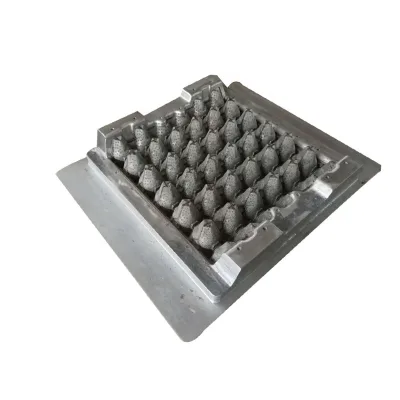
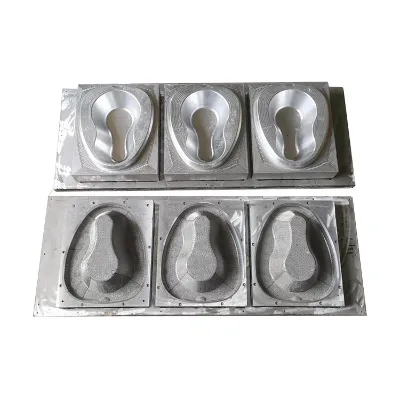
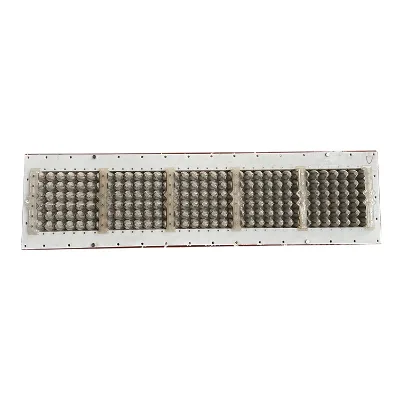
Comprehensive Sourcing Guide
Strategic Sourcing Guide for Industrial Egg Tray Molds
Understanding Core Technical Specifications and Material Composition
When sourcing egg tray molds, the primary objective is to identify equipment that aligns with specific production capacities and material constraints. The market offers a diverse range of configurations, from small-scale prototypes to high-volume industrial units. A critical observation in the current supply landscape is the variation in mold material composition. Buyers must distinguish between molds constructed from Aluminium, Cast Aluminium, and those incorporating ABS Plastic or Copper components. The selection of raw material directly influences the thermal conductivity, durability, and final surface finish of the pulp product.
The manufacturing process is another pivotal technical factor. High-performance molds are often produced using CNC Milling techniques, which ensure precise dimensional tolerances and complex geometric accuracy required for intricate tray designs. The surface treatment of these molds is equally significant; many suppliers offer Surface Modification to enhance performance. This treatment is often coupled with specific hardness requirements, where observed data indicates a Using Hardness of greater than HRC45. This metric is essential for resisting wear and tear during the high-pressure Dry Press Pulp Moulding process.
Furthermore, the physical dimensions of the mold dictate the output scale. Specifications range from Medium to Large sizes, with some models explicitly designed for Paper Egg Tray mold standards. The average wall thickness is a crucial structural parameter, with certain high-grade molds featuring a thickness of >3mm to maintain rigidity under operational stress. The Mold Life is another vital specification, with some units promising a lifespan exceeding 000 shots, indicating a robust design for continuous operation. Buyers should verify these numerical claims against their specific production volume requirements to ensure the investment yields a sufficient return on investment over the machine's lifecycle.
Compliance, Certification, and Regulatory Standards
Navigating the regulatory landscape is essential for international procurement, particularly when importing heavy machinery and molds. The most frequently observed certification in the current market data is CE, which indicates conformity with health, safety, and environmental protection standards for products sold within the European Economic Area. Some suppliers also provide ISO certification, suggesting adherence to international quality management standards. However, buyers must treat these certifications as observations of specific listings rather than universal guarantees for all available products.
The classification of these molds under international trade codes is another compliance necessity. The HS Code 8441909000 is commonly associated with these items, which is critical for accurate customs declaration and tariff calculation. Additionally, the prod_standard for these molds varies; some are defined by specific model standards like WS-30, while others depend on the final capacity of the production line. It is imperative for buyers to verify that the specific mold they intend to purchase meets the regulatory standards of their destination country, as standards can differ significantly between regions.
Safety and operational compliance also extend to the design and manufacturing process. The Factory status of the supplier is a key indicator of direct manufacturing capability, which often correlates with better quality control and compliance adherence. Suppliers with 30 Years of experience are often better positioned to navigate complex regulatory environments, though this should be verified through direct inquiry. Buyers should request current certification documents for the specific batch of molds they are purchasing, rather than relying on general company claims, to ensure that the equipment meets the latest safety and environmental regulations.
Cost Drivers and Pricing Structure Analysis
The pricing structure for egg tray molds is highly variable, reflecting the complexity of the product and the scale of the transaction. Observed data indicates a price range spanning from 0.45 to 70000 USD. This vast disparity is driven by several factors, including the Size of the mold, the Material composition, and the level of Customization required. Small, standard molds may fall at the lower end of the spectrum, while large, custom-engineered units with advanced surface treatments and high hardness ratings command premium prices.
The MOQ (Minimum Order Quantity) is another significant cost driver, with observed ranges from 1 to 2000 units. Buyers purchasing single units or small batches may face higher per-unit costs but benefit from flexibility. Conversely, bulk orders often unlock economies of scale, reducing the unit price but requiring a larger upfront capital commitment. The Unit Weight of the molds, typically observed between 20-30kg, also influences logistics costs, which are a substantial component of the total landed cost.
Customization is a major factor in pricing. The prod_packing options, such as Wood Packing or in Container solutions, add to the overall cost but are necessary for safe international transport. Furthermore, the Design process, which can be based on Sample or 3D Drawing, incurs additional engineering fees. The Logo of Mold can be designed by custom request for free, which is a value-added service that should be leveraged during negotiations. Buyers must carefully evaluate the total cost of ownership, including shipping via DHL, FedEx, UPS, Aramex, or Air Cargo, and the Delivery lead time of 20-30 working Days, to accurately budget for their procurement project.
Typical Applications and Functional Versatility
Egg tray molds are designed for a wide array of applications beyond simple egg packaging. The Function of these molds extends to producing Egg Tray, Egg Box, Pizza Tray, and Seeds Pot products. This versatility makes them suitable for various industries, including agriculture, food processing, and logistics. The Application is primarily listed as Food, indicating that the molds are designed to meet hygiene standards required for food-contact materials.
The Type of mold, specifically Dry Press Pulp Moulding Mold, suggests that these units are optimized for the dry press process, which is known for its efficiency and energy savings compared to wet pressing methods. The Automatic Grade of the molds ensures that they can be integrated into fully automated production lines, reducing labor costs and increasing throughput. The Demoulding process is also Automatic, which is crucial for maintaining high production speeds and minimizing manual intervention.
Furthermore, the Function of the molds includes Anti-Corrosion properties, which are essential for maintaining product quality in humid environments or when processing materials that may be corrosive. The Metal Color is typically Black Metal, which may be a result of the surface treatment process designed to enhance durability and aesthetic appeal. Buyers should consider the specific end-use of the trays they intend to produce, as different applications may require different mold geometries and surface finishes to ensure the final product meets market expectations.
Supplier Evaluation and Manufacturing Capabilities
Evaluating potential suppliers requires a deep dive into their manufacturing capabilities and operational history. The prod_origin of these molds is predominantly China, with specific hubs like Jinan, Shandong identified as key production centers. The presence of a Factory indicates that the supplier is a direct manufacturer rather than a trading company, which can offer advantages in terms of pricing, communication, and quality control.
The Experience of the supplier is a critical metric, with some entities boasting 30 Years in the industry. This longevity often correlates with a refined understanding of the manufacturing process and the ability to troubleshoot complex issues. However, buyers should verify this experience through references and past project portfolios. The After-Sales Service provided is another key evaluation criterion, with options such as Video Technical Support and Remote Support being commonly available. These services are vital for minimizing downtime and ensuring the smooth operation of the molds once they are installed.
The Design capability of the supplier is also important. Many suppliers offer Customization services, allowing buyers to tailor the mold to their specific needs. The ability to design based on Sample or 3D Drawing provides flexibility for unique product requirements. Additionally, the Logo of Mold can be customized upon request, often at no extra cost, which is a valuable feature for branding purposes. Buyers should assess the supplier's ability to deliver on these customization promises and their track record for meeting Delivery timelines of 20-30 working Days.
Quality Control and Long-Term Procurement Considerations
Ensuring the quality of egg tray molds is paramount for maintaining production efficiency and product consistency. The Condition of the molds is typically listed as New, but buyers must verify the quality of the Surface Treatment and Surface Modification processes. The Average Wall Thickness of >3mm and Using Hardness of >HRC45 are specific metrics that should be validated through third-party testing or detailed inspection reports. The Mold Life of >000 shots is a critical long-term consideration, as it determines the replacement cycle and total cost of ownership.
The Warranty period, often observed as 6 Months, provides a safety net for buyers against manufacturing defects. However, the scope of the warranty should be clearly defined, covering aspects such as material integrity, dimensional accuracy, and functional performance. The Standard of the mold, whether defined by WS-30 or other specific standards, should be rigorously checked to ensure it meets the buyer's production requirements.
Long-term procurement considerations also include the Shipping logistics and Packing methods. The use of Wood Packing or Standard Export Package ensures that the molds arrive in pristine condition. The Market reach of the supplier, described as All Over The World, indicates their experience with international logistics and compliance. Buyers should plan for the Lead Time of 20-30 working Days and factor in potential delays due to customs or shipping issues. Finally, the Computer Control Panel feature in some models suggests advanced automation capabilities, which should be integrated into the buyer's long-term production strategy for maximum efficiency.
Comparative Analysis of Mold Specifications
To facilitate informed decision-making, the following table summarizes key specifications observed in the market. This comparison highlights the diversity in materials, sizes, and performance metrics available to buyers.
| Specification Category | Observed Options | Key Considerations for Buyers |
|---|---|---|
| Material Composition | Aluminium, Cast Aluminium, ABS Plastic, Copper, Metal Mold | Select based on thermal conductivity needs and corrosion resistance requirements. |
| Size Classification | Medium, Large | Determine based on production volume and available floor space. |
| Manufacturing Process | CNC Milling | Ensures high precision and complex geometric accuracy. |
| Surface Hardness | >HRC45 | Critical for wear resistance and longevity in high-pressure operations. |
| Wall Thickness | >3mm | Indicates structural rigidity and durability under stress. |
| Certification | CE, ISO | Verify specific batch certification for regulatory compliance. |
| Warranty Period | 6 Months | Check coverage scope for manufacturing defects. |
| Delivery Lead Time | 20-30 Working Days | Plan production schedules accordingly. |
| Customization | Available (Design by Sample/3D) | Leverage for unique product requirements and branding. |
| After-Sales Support | Video Technical Support, Remote Support | Essential for troubleshooting and maintenance. |
This comparative overview underscores the importance of aligning specific technical requirements with supplier capabilities. By carefully evaluating these parameters, buyers can secure high-quality egg tray molds that meet their operational needs and support long-term business growth.
FAQs
What materials are used for egg tray molds?
Egg tray molds are constructed from materials such as Aluminium, Cast Aluminium, ABS Plastic, and Copper. Some units also feature Metal Mold components with specific surface treatments to ensure durability during the dry press pulp moulding process.
Which certifications do egg tray molds typically have?
Many egg tray molds carry CE certification, indicating conformity with European safety standards. Some listings also include ISO certification, though buyers should verify specific batch documents rather than assuming universal compliance for all products.
How long is the delivery lead time for these molds?
The standard delivery lead time for egg tray molds is typically 20 to 30 working days. This timeframe applies to most orders, but actual arrival dates may vary based on shipping methods like DHL, FedEx, or Air Cargo.
Can egg tray molds be customized for specific designs?
Yes, customization is available for egg tray molds based on samples or 3D drawings. Suppliers often offer free logo design on the mold and can adjust specifications to meet unique production requirements for items like pizza trays or seeds pots.
What is the typical hardness rating for these molds?
The using hardness for high-performance egg tray molds is typically greater than HRC45. This hardness level helps resist wear and tear during the high-pressure dry press pulp moulding process and ensures a longer mold life.
Which shipping methods are used for egg tray molds?
Egg tray molds are commonly shipped via DHL, FedEx, UPS, Aramex, or Air Cargo. Packaging options include wood packing or standard export packages to ensure safe transport, with delivery times generally ranging from 20 to 30 working days.